
Logo: Musiques: Recherches interdisciplinaires

About the Journal

Attached to the Observatoire interdisciplinaire de création et de recherche en musique, Université Laval (OICRM-ULaval) of the Faculty of Music of Laval University (Québec, Canada), the journal Musiques : Recherches interdisciplinaires wishes to respond to a need to publish research in music whose desire is to go beyond disciplinary limits. Published twice a year since its foundation in 2023, Musiques : Recherches interdisciplinaires is a bilingual journal (French and English) whose content lies within the field of possibilities in music, without necessarily recreating existing boundaries and always persisting in the field of musical research.

Musiques: Recherches interdisciplinaires adheres to the principles of diamond open access, holding that the production, dissemination, and consultation of knowledge should be free from financial barriers. Authors are not charged to publish, and readers have unrestricted access to all content. This editorial position reflects a commitment to open, responsible scholarly communication, independent of commercial logics.

Announcements

$70,000 grant for Musiques: Recherches interdisciplinaires

2026-05-26

Professor Sophie Stévance, Director of the Observatoire interdisciplinaire de création et de recherche en musique (OICRM-ULaval), and Director and Editor-in-Chief of the journal Musiques: Recherches interdisciplinaires, has received a grant from the Social Sciences and Humanities Research Council of Canada (SSHRC) through the Aid for Scholarly Journals Program.

Read more about $70,000 grant for Musiques: Recherches interdisciplinaires
Current Issue

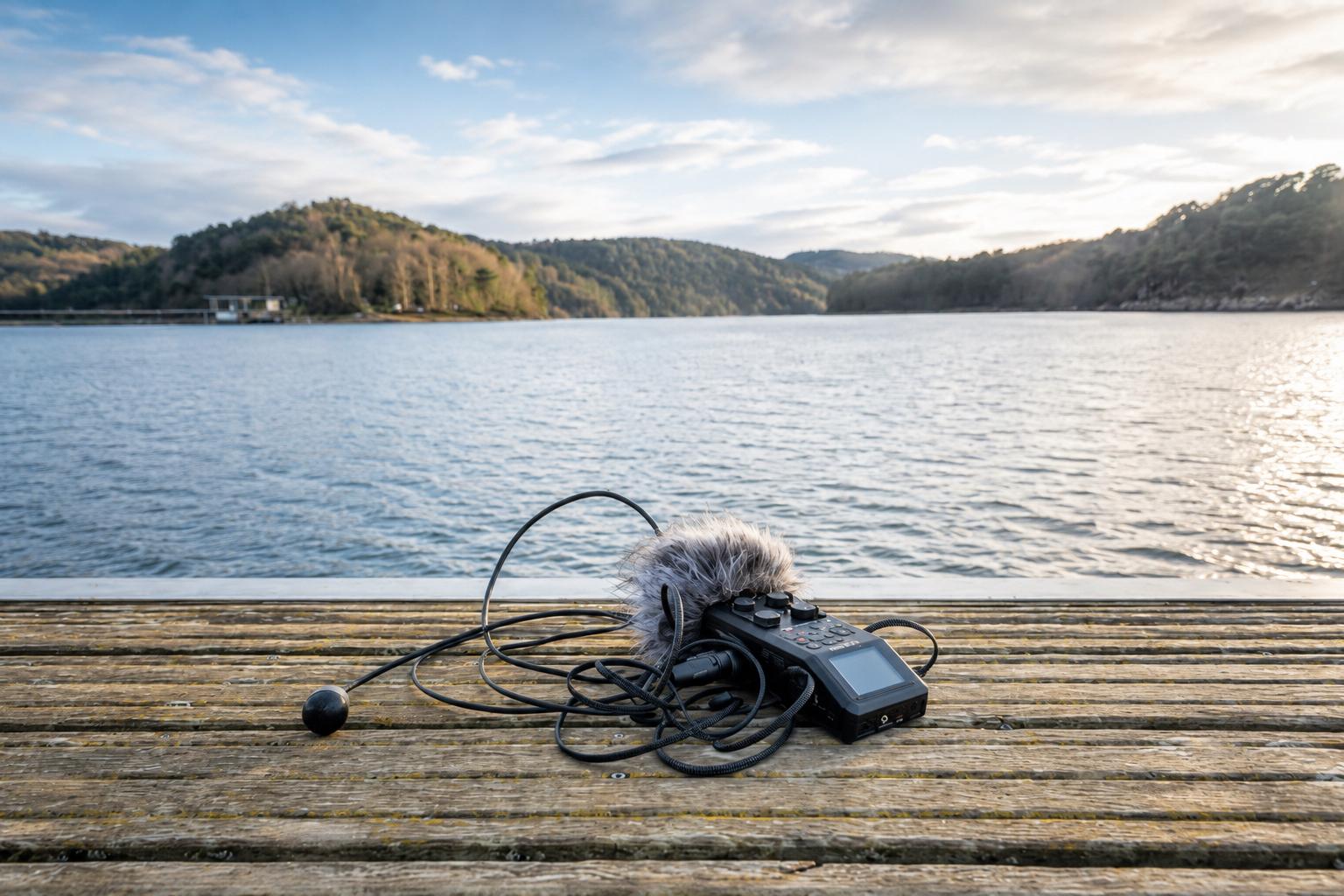
Vol. 3 No. 1 (2026): Sound ecologies: recording and listening practices between research, creation and attention to environments
© Irène Mopin 2026; retravaillé par Pierrick Lefranc 2026

Listening involves choosing thresholds of attention, defining what counts as a signal or as noise, and deciding what deserves care, description, measurement, memory, or composition. Sound ecologies thus emerge as a sensitive and critical testing ground where our ways of coexisting with other living beings, technologies, and shared environments are re-examined. By bringing together contributions from various fields, this issue explores why disciplines outside of musicology are now mobilizing its concepts, corpus, and practices, while in turn contributing to shifting its objects, methods, and analytical frameworks.

Published: 2026-06-05
View All Issues